
Scars From Upper Blepharoplasty: What to Expect During Healing
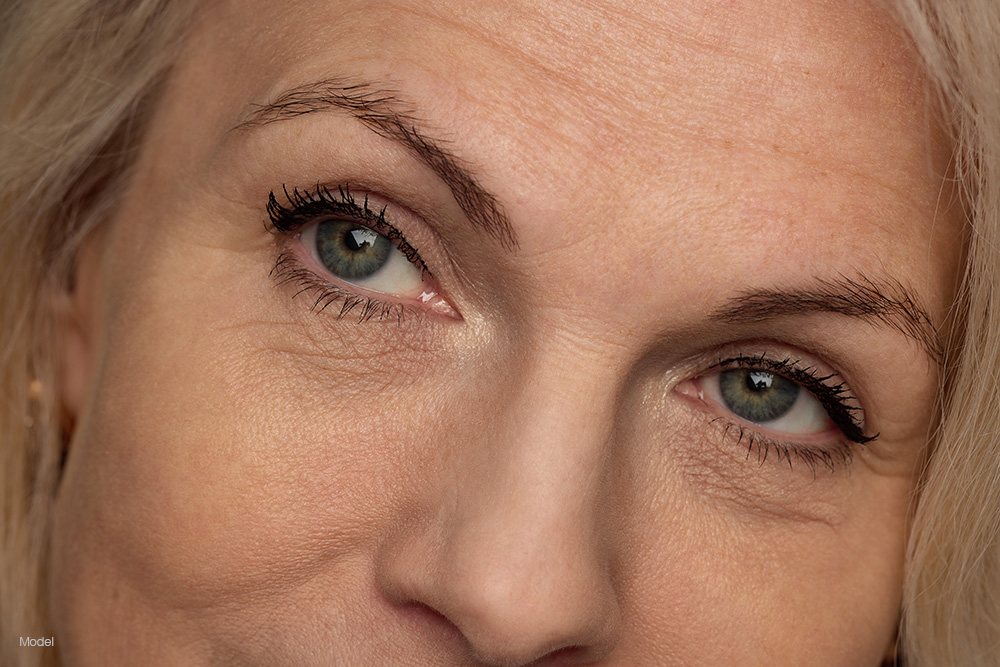
Upper blepharoplasty is a surgical procedure that removes excess skin and adjusts small amounts of fat or muscle from the upper eyelids. The procedure can create a brighter, more refreshed appearance and can improve vision when sagging eyelid skin interferes with the visual field.
Although every surgical incision creates a scar, upper blepharoplasty scars are usually discreet and become less noticeable over time.
Table of Contents
- What to Expect From Upper Blepharoplasty Scarring and Recovery
- Post-operative Care Tips to Reduce Upper Blepharoplasty Scars
- Treatments to Support Scar Healing From Upper Blepharoplasty
- Advanced Surgical Options for Scar Management After Upper Blepharoplasty
- Why Choose Dr. Kim for Your Upper Blepharoplasty?
What to Expect From Upper Blepharoplasty Scarring and Recovery
During an upper blepharoplasty, also known as an eyelid lift, an incision is carefully placed along the natural fold of the eyelid. When the eyes are open, this placement helps conceal the incision line within the crease.
During the first week, mild swelling and tightness are the most common sensations, with minor bruising. The incision may appear firm, raised, or slightly pink. However, these early characteristics are usually temporary and do not represent the final results.
By approximately one month, the incision is less noticeable and begins to resemble a natural eyelid crease. Over the next three to six months, the scar continues to soften and mature. The slight pink color gradually resolves into your natural skin complexion. For patients prone to hyperpigmentation, the incisions can take on a slightly darker appearance that fades to the surrounding skin color if good sun protection is employed. Complete scar maturation can take about a year, depending on individual healing factors.
During recovery, reading and screen use may be limited until your eyes feel comfortable. Glasses can be worn; however, contact lenses and eye makeup should be avoided until Dr. Kim confirms that the incisions have healed sufficiently. Patients should also avoid rubbing their eyes, lifting heavy objects, and participating in strenuous exercise during early recovery.
Post-operative Care Tips to Reduce Upper Blepharoplasty Scars
Following Dr. Kim’s instructions can protect the incisions and support a manageable healing process. Your post-operative care plan may include the following tips:
- Keep your head elevated while sleeping to minimize swelling.
- Apply cold compresses as directed.
- Clean the eyelids gently without rubbing the incision.
- Use prescribed ointments and medications as directed.
- Wear sunglasses and use surgeon-approved sun protection.
- Avoid smoking as it can interfere with healing.
Contact Dr. Kim’s practice if you experience increasing pain, worsening redness, unusual drainage, fever, sudden swelling, or unexpected changes in vision.
Treatments to Support Scar Healing From Upper Blepharoplasty
Reducing the appearance of scarring after an upper blepharoplasty can begin with simple, highly effective treatment options. Once the incision line has completely closed, Dr. Kim may recommend topical treatment to support scar maturation.
Silicone gel can help keep scar tissue hydrated and encourage a flatter, softer appearance. Silicone sheets may also provide consistent coverage and hydration for the scars.
While hypertrophic scarring is possible, this is a very rare occurrence. If a patient develops hypertrophic scarring, the first course of action is typically topical silicone, and, if necessary, supervised steroid treatments may help reduce inflammation and excess scar tissue. Because the eyelid skin is a sensitive, thin area, steroid treatments should not be used without medical guidance.
Advanced Surgical Options for Scar Management After Upper Blepharoplasty
Most upper blepharoplasty scars typically soften and become less noticeable without advanced treatment. However, if a scar remains red, uneven, raised, or prominent after recovery, Dr. Kim may discuss additional options.
Laser resurfacing can improve persistent redness, discoloration, or textural irregularities by treating the skin’s surface or stimulating collagen remodeling. Microneedling creates collagen and elastin production through controlled micro-injuries and may help smooth out scars.
If the scars remain highly visible despite adequate healing and less invasive care, surgical revision can be considered. This involves removing and repositioning scar tissue to create a more refined incision line. Revision is usually an option after the original scar has matured, which may take anywhere from six months to a year.
Why Choose Dr. Kim for Your Upper Blepharoplasty?
Dr. Haena Kim is a double board-certified facial plastic and reconstructive surgeon who specializes in the face and neck. Her extensive training and experience support her knowledge of eyelid anatomy, allowing Dr. Kim to customize treatment to each patient’s natural features.
Dr. Kim’s philosophy emphasizes natural-looking results that preserve each patient’s identity. She approaches upper blepharoplasty with careful attention to facial balance, individualized goals, and patient-centered guidance throughout recovery.
Want to Know More About Upper Blepharoplasty in the South Bay Area?
If you’re ready to learn more about upper blepharoplasty in the San Jose or South Bay area, call (650) 507-3601 or fill out our online contact form today. Dr. Kim will discuss your goals, recovery, and scar care expectations.